Beyond the lab: my experience at Dana-Farber Cancer Institute – Alessandro Lavelli
Personal reflections lab rotation
Alessandro Lavelli, Virgilio 6° Cohort, UNIMIB
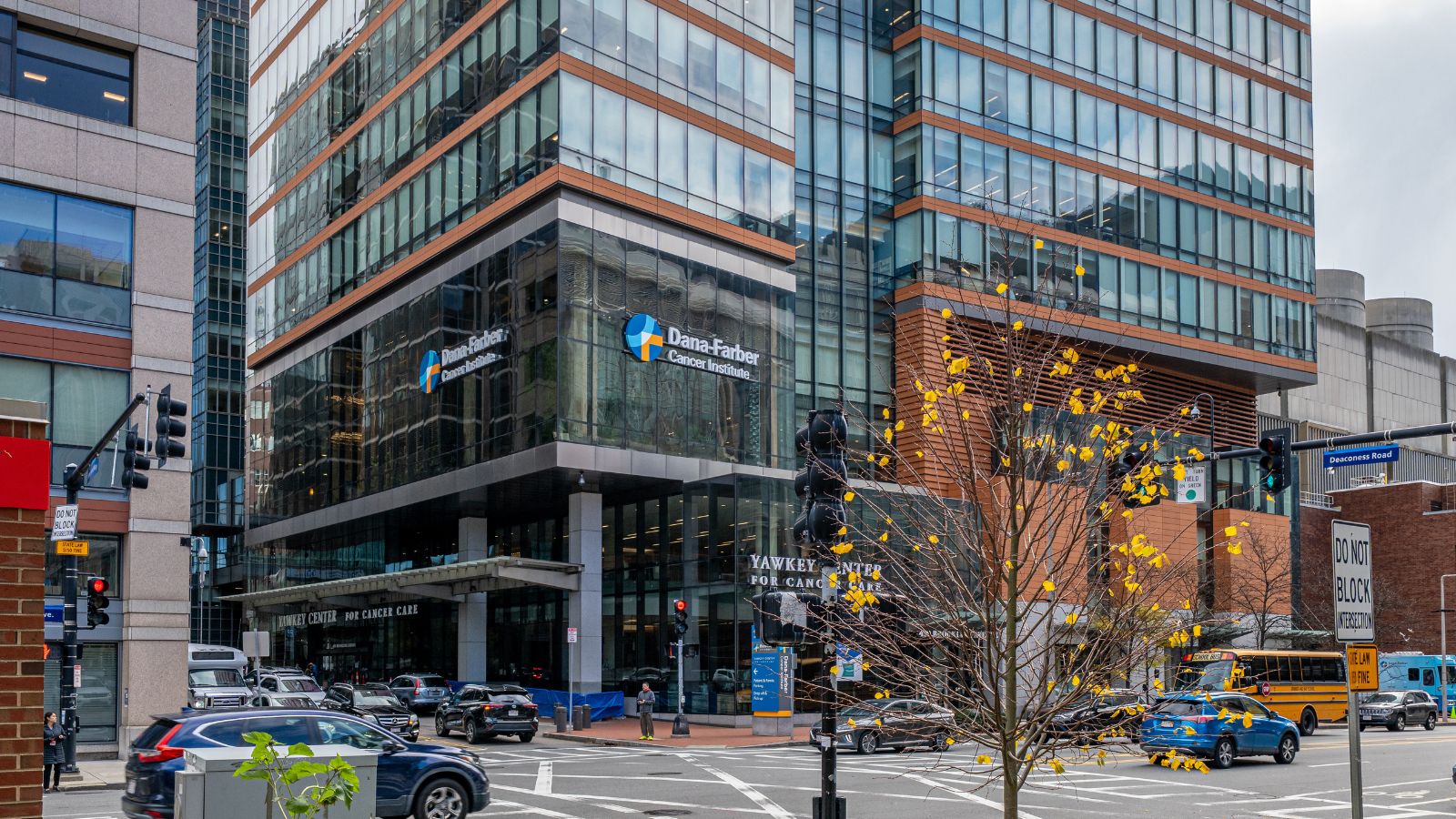
My name is Alessandro Lavelli, and I am a sixth-year medical student at the University of Milano-Bicocca. I have always been deeply fascinated by Oncohematology and Immunology, so having the chance to join Professor Jerome Ritz’s laboratory at the Dana-Farber Cancer Institute in Boston was a significant milestone in my education.
The lab focuses on bone marrow transplantation and cell therapy, specifically investigating immune reconstitution, GvHD, and CAR-T cells. During my time there, I had the opportunity to learn techniques like conventional and spectral flow cytometry. However, what struck me most was how included I felt: from day one, I was given specific tasks and adequate training, allowing me to follow experiments with an increasing level of autonomy. I am truly grateful for the trust they placed in me.
What makes this place special is the vibrant and stimulating international environment. There are conferences and seminars on virtually every topic every single day, creating fertile ground to cultivate any scientific interest. The concentration of laboratories within the Harvard ecosystem is unique: the access to cutting-edge instruments and the possibility to share core facilities, expertise, and ideas through numerous symposia fosters a spirit of collaboration that is truly inspiring.
However, the value of this journey extended beyond the lab walls. Boston provided a lively and international backdrop that enriched me on a human level. Sharing experiences with other exchange students and connecting with researchers from diverse backgrounds broadened my horizons. Confronting myself with the American academic mindset has enriched my perspective, and I am returning to Italy with renewed motivation to pursue my path in medicine.
I want to express my sincere gratitude to the Virgilio Program for making this experience possible. A special thanks goes to Richa Lal, Program Manager for her patient support throughout the process, to Professor Jerome Ritz for welcoming me into his lab, and to everyone who contributed to my growth during these months. Last, but not the least, I sincerely thank Fondazione Vollaro for the scholarship support that made this invaluable academic and scientific experience possible. Their commitment to supporting young students was instrumental in enabling me to pursue this formative international experience.