Lab experience at the Granata’s Lab, Stroke Research Group, University of Cambridge – Nicholas Giulio Raccagni
Personal reflections lab rotation
Nicholas Giulio Raccagni, Virgilio 7° Cohort, UNIMIB
- Laboratory: Granata’s Lab, Stroke Research Group, VPD-HLRI, University of Cambridge
- Principal Investigator: Prof. Alessandra Granata
- Tutor: Dr. Noora Hassani and Dr. Marine Berthelot
- Funded by: Fondazione Vollaro
I spent my summer at the University of Cambridge, and from the very first morning walking through the Biomedical Campus, I knew this experience would be different. Prof. Alessandra Granata’s laboratory studies cerebral small vessel diseases (CSVD), especially monogenic forms like CADASIL and COL4A1/2-related vasculopathies, using patient-derived iPSC models to understand how vascular problems lead to stroke and cognitive decline.
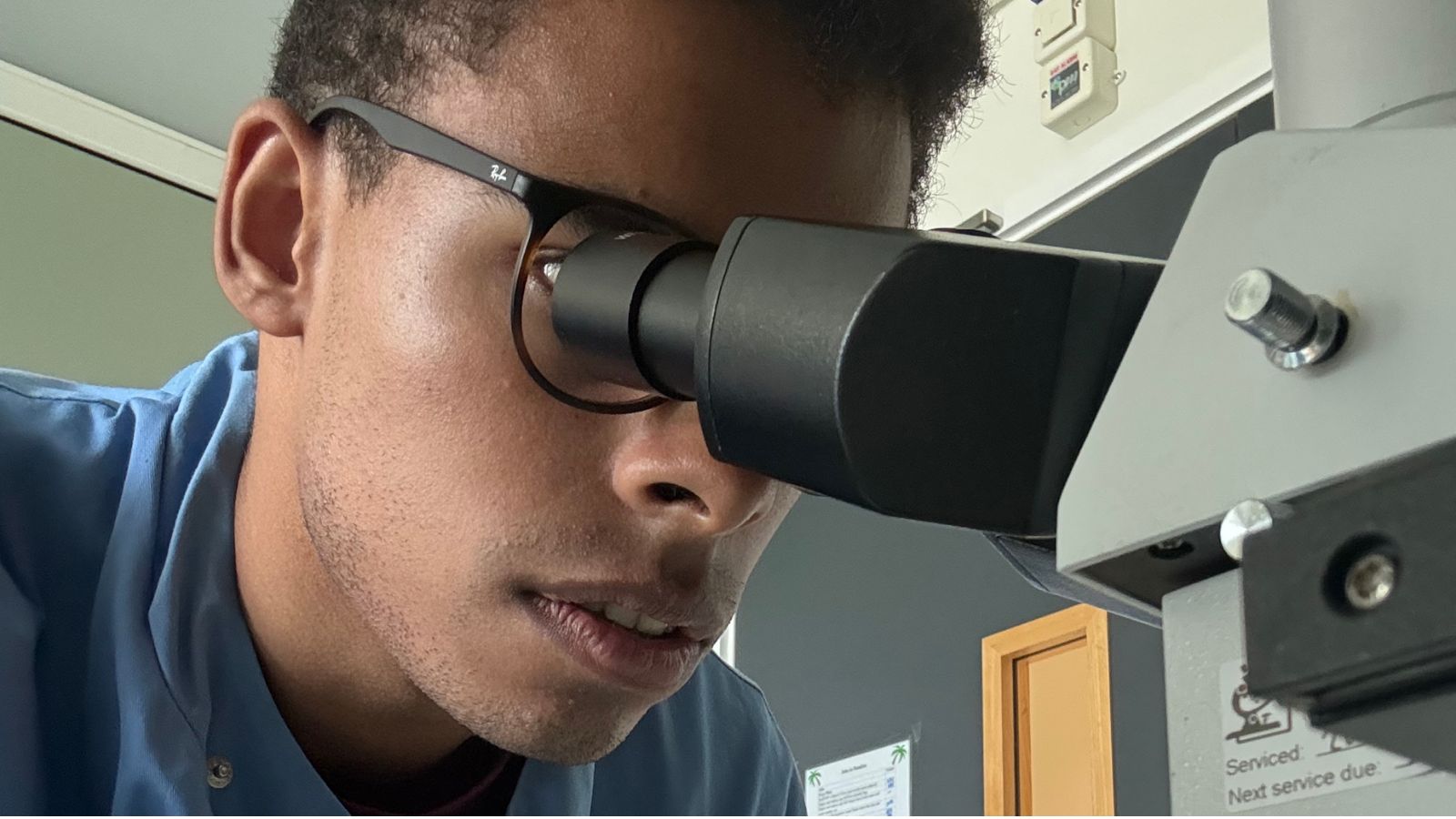
My main task was genotyping CADASIL patient-derived iPSC lines. It seemed straightforward on paper. It wasn’t. My first attempts failed: no bands, unclear results, nothing usable. My tutor and I traced every step, from DNA extraction to primer concentrations and annealing temperatures. After two weeks of troubleshooting, the protocol finally worked. The lesson was clear: research is mostly about figuring out why things don’t work.
Apart from genotyping, I learned techniques I had only seen in textbooks before, including CRISPR-Cas9 editing, endothelial barrier assays, and maintaining iPSC cultures. Each of these showed me how complex research questions require different tools working together. But what made the work most meaningful was working with patient-derived iPSC lines: cells from people whose strokes I might one day help prevent.
What stayed with me most was the environment. The lab brought together people from all over, each with a different perspective on the same problems. Over coffee or during lunch, conversations naturally shifted from protocols to bigger questions: what makes findings clinically meaningful, where is neurovascular research heading, and how do we connect mechanisms with treatment? Those discussions shaped how I envision my future work: moving between the questions patients ask and the experiments that might answer them.
This rotation strengthened what I began at Mario Negri: medicine doesn’t start in the hospital. It starts here, with researchers making sense of disease one experiment at a time. Cambridge showed me this process up close and clarified the contribution I want to make.
I’m grateful to Prof. Alessandra Granata for welcoming me into her lab, and to Dr. Noora Hassani and Dr. Marine Berthelot for their guidance. I also thank the Virgilio Program and Fondazione Vollaro for making this experience possible.