From Lab to Clinic: Antonio Mannino’s Research Experience at the Wistar Institute in Philadelphia
Personal reflections lab rotation
Antonio Mannino, 8° cohort Student – UNIMI
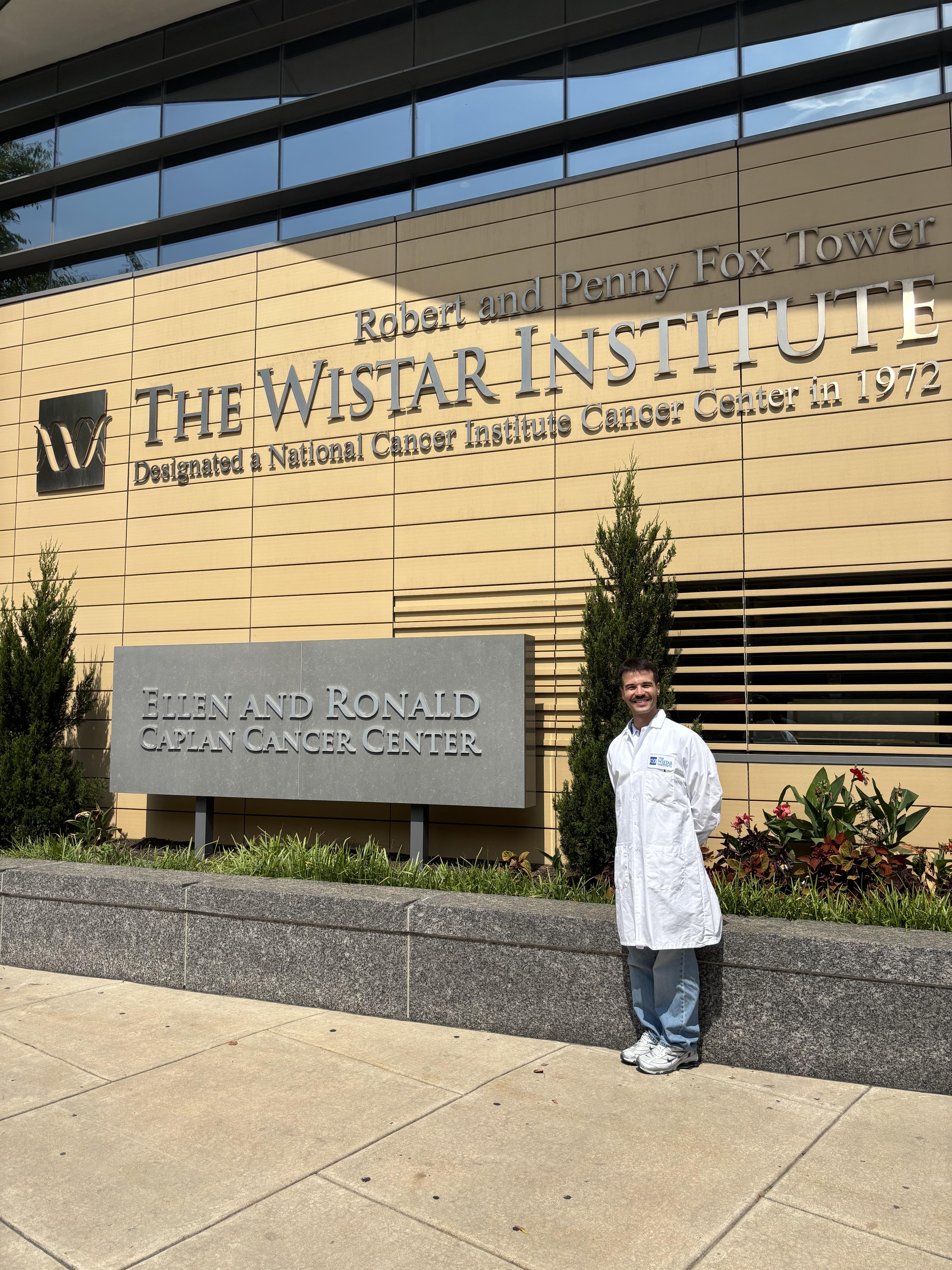
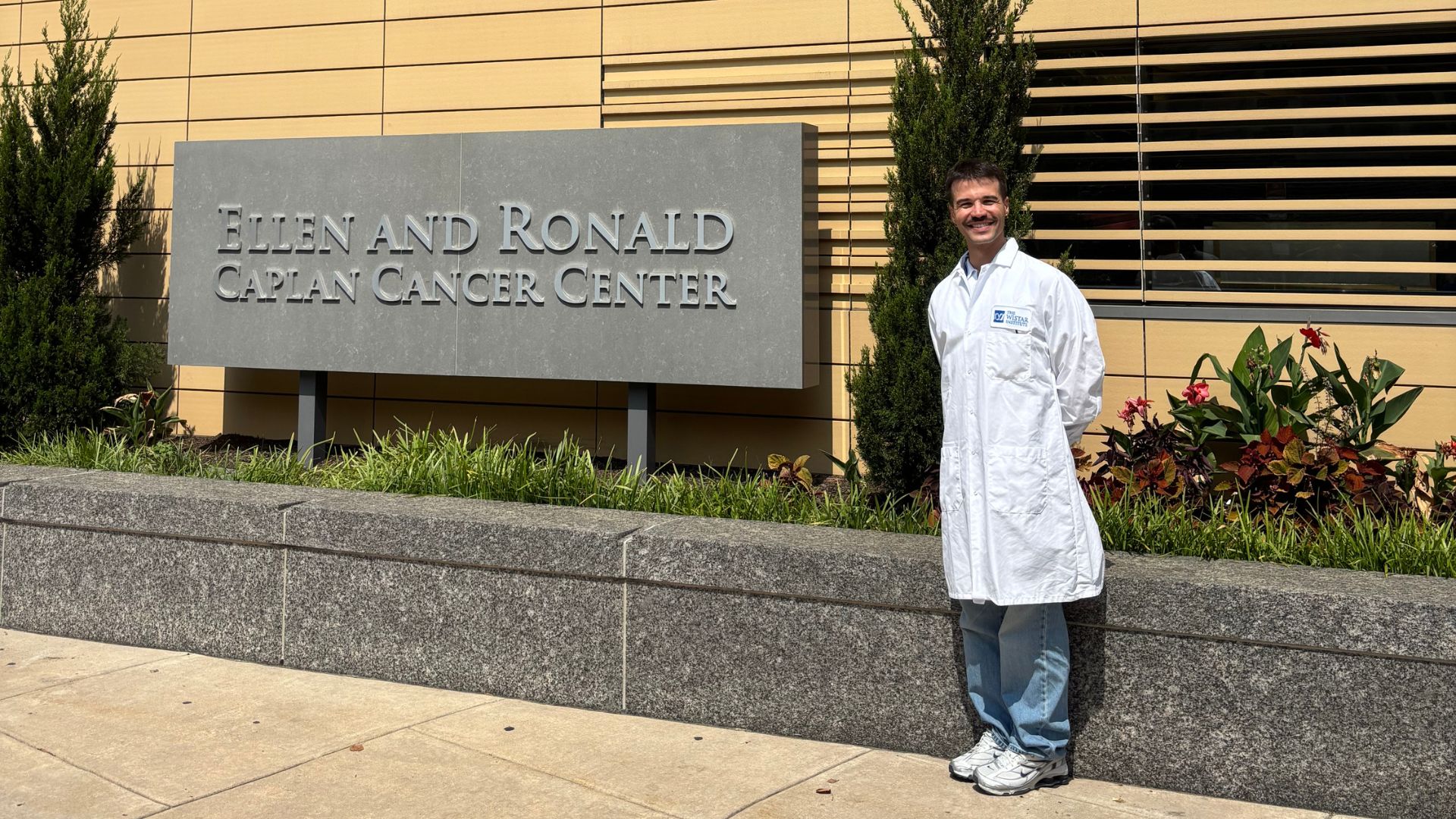
In August 2026, I had the opportunity to spend a month at the Wistar Institute in Philadelphia, joining the Montaner Lab as part of my training with the Virgilio Program at the University of Milan. Spending time in the United States at a centre of excellence such as Wistar was an incredibly valuable opportunity, allowing me to experience a different research environment, learn from internationally recognised scientists, and gain a broader perspective on the role of biomedical research in advancing medicine.
Research in Cancer and HIV-1
During my time at the Montaner Lab, I had the opportunity to follow several ongoing projects in cancer research and HIV-1. In cancer research, I learned about the development of novel small-molecule modulators of the retinoblastoma (Rb) protein as a potential approach to cancer immunotherapy. I also followed several projects investigating different approaches to HIV prevention and treatment, including vaccine development, latency-reversing agents, CAR T-cell therapy, and immunotherapy.
These projects highlighted the many challenges that remain in the fight against HIV and the creativity required to develop new strategies to address them. Exploring such different research questions within the same scientific environment helped me appreciate the breadth of modern biomedical research and the importance of collaboration across disciplines.
Laboratory Techniques and Research Methodologies
Another particularly enriching aspect of the experience was being exposed to a variety of laboratory techniques and research methodologies. Alongside established molecular biology techniques, such as Western blotting and agarose gel electrophoresis, I had the opportunity to learn about more advanced approaches, including RNA sequencing (RNA-seq), spatial transcriptomics, and chromatin immunoprecipitation sequencing (ChIP-seq).
Connecting Research and Clinical Care
What made this experience especially meaningful was the opportunity to complement my time in the laboratory with clinical exposure. During my stay in Philadelphia, I also had the opportunity to visit Philadelphia FIGHT at the Jonathan Lax Treatment Center, where I followed the care of people living with HIV. This experience offered a valuable perspective on the human side of the scientific questions I had been exploring in the laboratory. I was particularly impressed by the team’s patient-centred approach, the attention given to each person’s individual needs, and the dedication of the staff. The warmth and commitment of the professionals I met made a strong impression on me.
Experiencing both research and clinical care during the same month was especially rewarding and inspiring. It allowed me to reflect on the connection between scientific discovery and its eventual application in clinical practice.
Acknowledgements
Beyond the scientific knowledge I gained, I am very grateful to the people who welcomed me and made this month such a valuable experience. I would first like to thank my mentor, Dr. Domenico Mavilio, for his continuous support throughout this experience. I am also grateful to Dr. Luis Montaner for giving me the opportunity to join his group and learn from the research carried out in the lab.
I would also like to thank Dr. Karam Mounzer at the Jonathan Lax Treatment Center for taking the time to explain his work and for giving me the opportunity to learn from his clinical practice. I am grateful to Beth Peterson for her support throughout my time in Philadelphia.
A special thank you goes to Dr. Dmitri Zhigarev, Dr. Samuel Albanesi, and PhD students Annalisa Imperiali, Ekaterina Shipilova, and Giulia Pantella. I am also grateful to all the other PhD students, scientists, physicians, and healthcare professionals whose work I had the opportunity to follow and learn from. Their willingness to share their knowledge, answer my questions, and explain their work made this experience all the more valuable and memorable.
Finally, I would like to express my deepest gratitude to Fondazione Vollaro, whose support made this experience at the Wistar Institute possible. Opportunities like this are invaluable for students beginning to explore scientific research, and I am truly grateful for the chance to learn in such an inspiring environment and experience biomedical research in an international setting.